
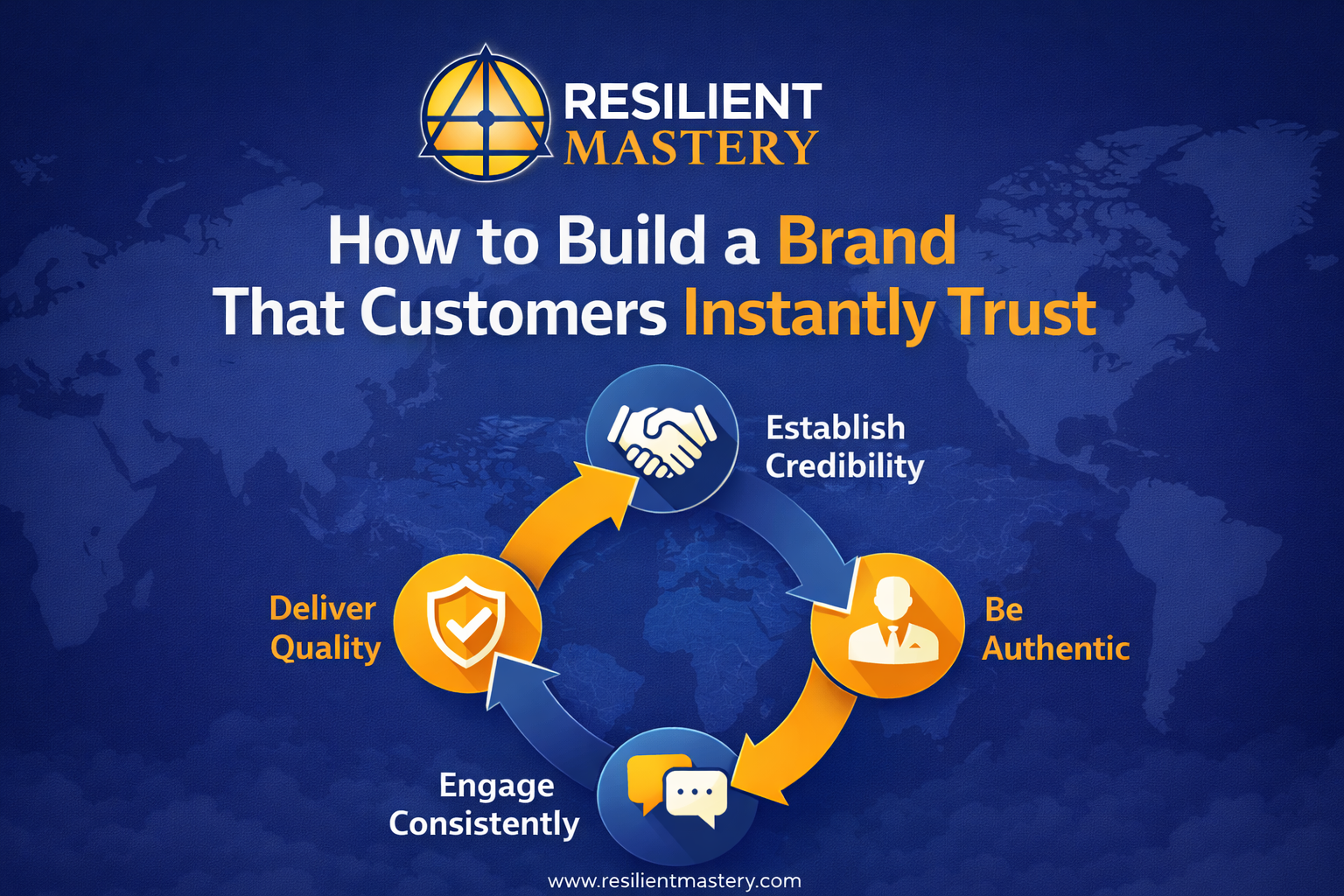
In today’s highly competitive digital landscape, How to Build a Brand trust is the foundation of every successful brand. No matter how great your product or service is, if customers don’t trust your brand, they won’t buy, engage, or stay loyal. Building trust isn’t just about looking professional—it’s about creating a consistent, authentic, and value-driven experience that resonates with your audience.
This guide will walk you through build a brand customers instantly trust, using proven strategies rooted in branding, psychology, design, and digital marketing. Whether you’re a startup, agency, or growing business, these insights will help you create a brand that stands out and earns long-term loyalty.
Top 22 Why Brand Trust Matters More Than Ever
Consumers today are smarter and more cautious. With endless options available online, people make decisions quickly—and often emotionally. Trust plays a huge role in those decisions.
A trustworthy brand:
- Converts visitors into customers faster
- Builds long-term customer loyalty
- Reduces marketing costs through referrals
- Strengthens your reputation in the market
- Increases perceived value of your products/services
Without trust, even the best marketing campaigns fail. That’s why building a trustworthy brand should be your top priority.
1. Define a Clear and Authentic Brand Identity
Your brand identity is more than just a logo—it’s the complete personality of your business.
To create a strong brand identity:
- Define your mission, vision, and values
- Understand your target audience deeply
- Choose a consistent tone of voice
- Design a cohesive visual identity (colors, fonts, style)
Why it matters:
Customers trust brands that feel clear, consistent, and authentic. If your messaging is confusing or inconsistent, it creates doubt.
Pro Tip: Keep your brand simple and focused. Clarity builds confidence.
2. How to Build a Brand Be Consistent Across All Platforms
Consistency is one of the most powerful brand trust strategies.
Your website, social media, ads, and emails should all:
- Use the same tone and messaging
- Follow the same visual style
- Deliver a consistent experience
Example:
If your website looks premium but your social media feels unprofessional, customers will question your credibility.
Consistency creates familiarity—and familiarity builds trust.
3. Design a Professional and High-Converting Website
Your website is often the first impression of your brand. A poorly designed website instantly reduces trust.
To improve website trust signals for SEO and users:
- Use clean, modern design
- Ensure fast loading speed
- Make navigation simple and intuitive
- Add clear calls-to-action (CTAs)
- Optimize for mobile devices
Key Trust Elements:
- SSL certificate (secure site)
- Contact information clearly visible
- Professional branding
- Testimonials and reviews
A well-designed website shows that you care about your business—and your customers.
4. Use Social Proof to Build Credibility
People trust other people more than they trust brands. That’s why social proof is essential.
Types of social proof:
- Customer reviews and testimonials
- Case studies
- User-generated content
- Client logos and partnerships
- Before-and-after results
Why it works:
How to build a brand successfully requires social proof, as it reduces uncertainty and shows real-world validation of your brand.
Example:
Instead of saying “We are the best,” show results and let your customers prove it.
5. Be Transparent and Honest
How to build a brand effectively starts with understanding that transparency is a major factor in building customer confidence online.
Be open about:
- Pricing
- Services and deliverables
- Policies (refunds, privacy, terms)
- Mistakes (if they happen)
What to avoid:
- Overpromising results
- Hidden fees
- Misleading marketing
Honesty builds credibility. Even if you make mistakes, being transparent can actually increase trust.
6. Deliver Consistent Value Through Content
Content is one of the best ways to build trust and authority.
How to Build a Brand Create content that:
- Educates your audience
- Solves real problems
- Provides actionable insights
- Demonstrates your expertise

Content types to focus on:
- Blog posts
- Guides and tutorials
- Videos
- Case studies
- Social media content
SEO Tip:
Use keywords like:
- how to build brand trust
- brand credibility tips
- build brand authority online
This helps you attract the right audience while improving search visibility.
7. Build a Strong Brand Voice and Personality
A relatable and consistent voice makes your brand feel human.
Ask yourself:
- Is your tone professional or casual?
- Are you friendly, bold, or authoritative?
- How do you communicate with customers?
Why it matters:
When learning how to build a brand, it’s important to remember that people connect with brands that feel real, and a strong voice helps create emotional connections.
8. Focus on Customer Experience (CX)
Trust is built through experience—not just messaging.
To improve customer experience:
- Respond quickly to inquiries
- Provide helpful support
- Make buying easy
- Follow up after purchase
Key idea:
Every interaction with your brand should reinforce trust.
When learning how to build a brand, focus on customer experience, because happy customers become repeat customers—and your biggest promoters.
9. Showcase Expertise and Authority
To build trust, you must position yourself as an expert.
Ways to do this:
- Share insights and knowledge
- Publish in-depth content
- Speak on industry topics
- Highlight achievements and certifications
SEO Benefit:
This helps with SEO for brand authority and improves your rankings on search engines.
10. Leverage Emotional Branding
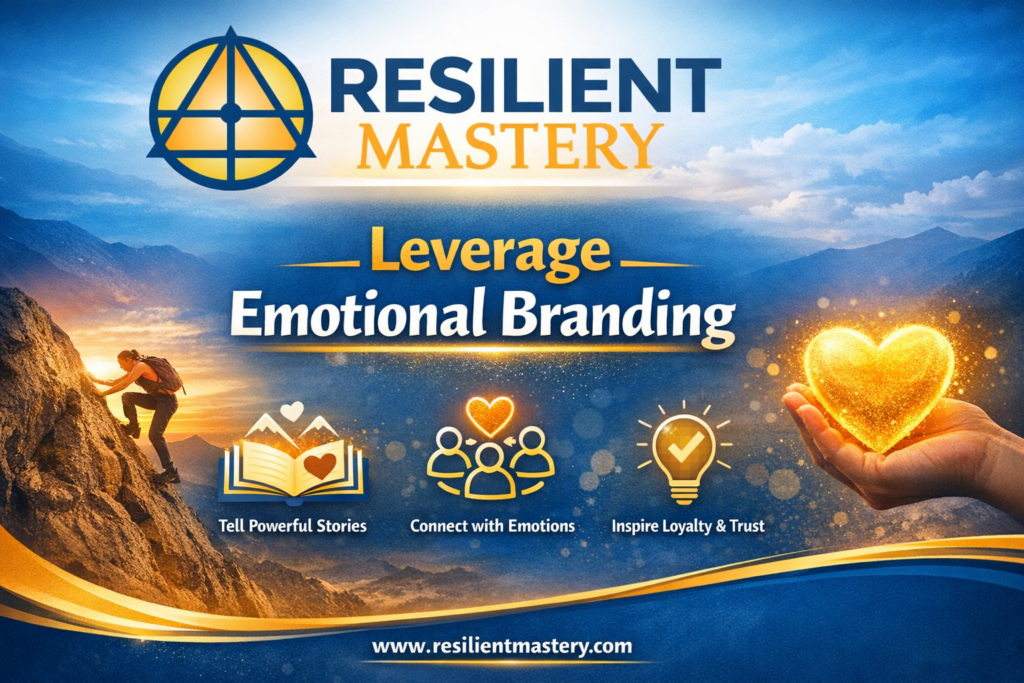
How to build a brand that truly connects with customers means understanding that people don’t just buy products—they buy feelings.
Emotional branding helps you:
- Connect with your audience deeply
- Build loyalty beyond price
- Create memorable experiences
Examples of emotional triggers:
- Trust
- Security
- Happiness
- Belonging
How to build a brand successfully includes storytelling, because it helps communicate your brand’s purpose and values effectively.
11. Optimize for Trust and Conversions
Your brand should not only look trustworthy—it should also convert.
To increase conversions:
- Use clear CTAs
- Highlight benefits (not just features)
- Reduce friction in the buying process
- Add trust signals (reviews, guarantees, certifications)
Key keyword integration:
- trust signals that increase conversions
- how to convert visitors into loyal customers
12. Maintain a Strong Online Presence
When learning how to build a brand, it’s important to understand that your online presence directly affects how people perceive your brand.
Focus on:
- Active social media profiles
- Consistent posting
- Engaging with your audience
- Managing reviews and feedback
A strong online presence helps create trust and credibility by showing that your brand is active, responsive, and reliable. Regularly updating your social media profiles allows your audience to stay connected with your brand, while engaging with your audience builds relationships and a sense of community.
Equally important is managing reviews and feedback. Responding to both positive and negative feedback in a professional and timely manner shows that you value your customers’ opinions. This not only strengthens trust but also demonstrates transparency and accountability—key elements in how to build a brand that people can rely on.
Reputation Management:
How to build a brand successfully means responding to all reviews professionally, because it shows that you care.
13. Build Long-Term Relationships
When learning how to build a brand, it’s important to remember that trust isn’t built overnight—it’s built over time
To strengthen relationships:
- Stay connected with your audience
- Offer ongoing value
- Reward loyal customers
- Personalize your communication
Result:
How to build a brand that lasts requires staying connected with your audience, offering ongoing value, rewarding loyal customers, and personalizing your communication. This leads to stronger relationships, higher customer retention, and greater brand loyalty.
14. Use Data to Improve Trust Strategies
Track and analyze your performance:
- Website analytics
- Conversion rates
- Customer feedback
- Engagement metrics
Why it matters:
How to build a brand that customers trust relies on data, because it helps you understand what builds trust—and what doesn’t.
15. Avoid Common Trust-Killing Mistakes
Many businesses lose trust without realizing it.
Common mistakes:
- Inconsistent branding
- Poor website design
- Ignoring customer feedback
- Lack of transparency
- Overcomplicated messaging
How to build a brand that customers trust requires fixing these issues, as it can instantly improve your brand’s credibility.
Final Thoughts: Trust Is Your Greatest Asset
Building a brand that customers instantly trust is not about quick hacks—it’s about consistency, authenticity, and value.
When you:
- Create a clear identity
- Deliver consistent experiences
- Provide real value
- Focus on customer needs
You naturally build trust—and trust leads to growth.
Quick Recap
To build a trustworthy brand:
- Define your brand identity
- Stay consistent across platforms
- Design a professional website
- Use social proof
- Be transparent
- Create valuable content
- Focus on customer experience
- Build authority and credibility
16. Build Trust Through Personalization and Customer Connection
In today’s digital world, customers expect more than just good products—they expect personalized experiences. A brand that understands its audience on a deeper level naturally builds stronger trust and loyalty. Personalization shows that you don’t just see your customers as numbers, but as individuals with unique needs and preferences. When learning how to build a brand, one of the most important strategies is understanding that customers expect more than just good products—they expect personalized experiences.
Start by using customer data responsibly to tailor your communication. Address customers by their names in emails, recommend products based on their behavior, and create content that speaks directly to their interests. Even small personalized touches can make a big difference in how your brand is perceived.
Another powerful way to build connection is through storytelling. Share your brand journey, challenges, and successes. Let your audience see the human side of your business. When people feel emotionally connected, they are more likely to trust and support your brand.
When learning how to build a brand, it’s important to segment your audience to deliver more relevant messages. For example, new customers may need educational content, while returning customers may appreciate exclusive offers or loyalty rewards. The more relevant your communication, the stronger the trust you build.
When learning how to build a brand, personalization isn’t just a marketing tactic—it’s a trust-building strategy that makes your customers feel valued and understood.
17. Strengthen Trust with Consistent Brand Experience
A trustworthy brand delivers a seamless and consistent experience at every touchpoint. From the moment someone visits your website to the time they interact with your customer support, every experience should reflect your brand values. How to build a brand that stands out in today’s digital world starts with personalization, where customers expect more than just good products—they expect personalized experiences.
How to build a brand that customers trust requires consistency in every aspect of your business, not just visuals and messaging, but also how you treat your customers. If your brand promises reliability, your service must be dependable. If you position yourself as customer-focused, your support should be responsive and helpful..
Think about the entire customer journey:
- First interaction (ads, social media, search results)
- Website experience
- Purchase process
- Post-purchase support
Each stage should reinforce trust rather than create doubt. Even one negative experience can damage your credibility.
A great way to ensure consistency is by creating brand guidelines and training your team to follow them. This ensures that no matter who interacts with the customer, the experience remains aligned with your brand promise.
18. Use Visual Trust Signals to Reinforce Credibility
When learning how to build a brand, it’s important to understand that visual elements play a significant role in building instant trust. People often make quick judgments based on what they see, so your design and visual presentation matter more than you might think.
Some effective visual trust signals include:
- Professional logo and branding
- Clean and modern website layout
- High-quality images and graphics
- Security badges and certifications
- Verified customer reviews
These elements create a sense of professionalism and reliability. A cluttered or outdated design, on the other hand, can instantly reduce trust—even if your service is excellent.
Another important factor is transparency in visuals. Avoid using overly edited or misleading images. Authentic visuals help build credibility and show that your brand is honest and real.
Remember, people trust what they can see. A visually strong brand creates confidence even before a single word is read.
19. Build Authority Through Partnerships and Collaborations
Collaborating with other trusted brands or industry experts can significantly boost your credibility. When your brand is associated with reputable names, it creates a sense of trust through association.
You can build authority by:
- Partnering with well-known brands
- Collaborating with influencers in your niche
- Featuring guest experts in your content
- Participating in industry events or webinars
These collaborations show that your brand is recognized and respected within the industry. It also expands your reach and introduces your business to new audiences.
For example, if a respected industry expert endorses your product or service, it instantly increases your credibility. Customers are more likely to trust your brand when they see others validating it.
How to build a brand that gains widespread trust involves strategic partnerships, which are not just about growth but about building trust at scale.
Collaborating with other trusted brands or industry experts can significantly boost your credibility. When your brand is associated with reputable names, it creates a sense of trust through association. For more details, visit our website: https://www.resilientmastery.com/
20. Continuously Evolve and Adapt to Customer Needs
Trust is not something you build once and forget—it requires continuous effort. Customer expectations, market trends, and technologies are always changing. Brands that adapt quickly are more likely to maintain trust over time.
Stay updated with:
- Industry trends
- Customer feedback
- Technological advancements
Regularly update your website, improve your services, and refine your messaging. Show your audience that your brand is evolving to serve them better.
Listening to your customers is especially important. Encourage feedback and actually act on it. When customers see that their opinions matter, it strengthens their trust in your brand.
Innovation also plays a key role. Brands that consistently improve and offer new value are seen as reliable and forward-thinking. How to build a brand successfully means continuous improvement, listening to customers, and staying adaptable, because these actions build long-term trust and reliability.
In the long run, adaptability is what separates trusted brands from forgotten ones.
21. Build Trust with Clear Communication and Simplicity
One of the most overlooked aspects of building brand trust is clear and simple communication. Many businesses try to sound overly professional or complex, but this often creates confusion instead of confidence. Customers trust brands that are easy to understand. How to build a brand that stands out in today’s digital world starts with personalization, where customers expect more than just good products—they expect personalized experiences.

Avoid jargon, complicated terms, or vague promises. Instead, focus on delivering your message in a straightforward and honest way. Whether it’s your website copy, product descriptions, or marketing messages—clarity should always come first.
For example, instead of saying “We provide innovative, cutting-edge solutions,” explain exactly what you do and how it benefits the customer. Clear communication reduces doubt and helps customers make decisions faster.
Another key factor is setting the right expectations. Clearly communicate what customers will get, how long it will take, and what results they can expect. When expectations are met—or even exceeded—it builds strong trust over time.
How to build a brand successfully requires consistent communication, with a uniform voice, messaging style, and tone across all channels to create reliability and professionalism.
How to build a brand that gains widespread trust involves strategic partnerships, which are not just about growth but about building trust at scale. Follow our journey on for more insights and updates. LinkedIn
22. Encourage and Showcase Customer Engagement
Engagement is a powerful signal of trust. When customers actively interact with your brand, it shows that they feel comfortable and confident in what you offer.
Encourage engagement by:
- Asking questions on social media
- Responding to comments and messages
- Creating interactive content (polls, Q&A, live sessions)
- Inviting customers to share their experiences
When people see active engagement, How to build a brand it creates a sense of community around your brand. A strong community builds trust faster than traditional marketing.
You should also highlight this engagement publicly. How to build a brand Share customer feedback, comments, and success stories. This not only validates your brand but also encourages others to engage.
Most importantly, always respond respectfully—even to negative feedback. How you handle criticism says a lot about your brand. A professional and helpful response can turn a negative experience into a trust-building moment.
23. Build Trust with Strong Guarantees and Risk Reduction
One of the fastest ways to build trust is by reducing the perceived risk for your customers. People hesitate to buy when they feel uncertain about the outcome. That’s why strong guarantees can make a huge difference in building confidence.
How to build a brand that customers trust depends on security and reliability, as trust is closely linked to how safe your brand feels. Customers need to feel secure when interacting with your business, especially with payments or personal information.
Offer clear and fair guarantees such as:
- Money-back guarantees
- Satisfaction guarantees
- Free trials or demos
- Easy cancellation policies
When customers know that they have nothing to lose, they feel more comfortable making a purchase. This removes friction and increases conversions while also strengthening your brand’s credibility.
However, guarantees must be realistic and transparent. Overpromising or using misleading guarantees can damage trust instead of building it. Always ensure that your promises are something you can actually deliver.
When learning how to build a brand, it’s important to clearly communicate your guarantee terms. Avoid hiding conditions in fine print, as transparency here plays a key role in showing that your brand is honest and customer-focused.
24. Build Authority Through Knowledge Sharing
Sharing knowledge is one of the most powerful ways to establish your brand as an authority in your industry. When you consistently provide valuable insights, your audience begins to see you as an expert they can trust.
You can share knowledge through:
- Educational blog posts
- How-to guides and tutorials
- Webinars and workshops
- Free resources like eBooks or checklists
The goal is to educate your audience, not just sell to them. When people learn something valuable from your brand, they are more likely to trust you and return for more.
Another effective approach is answering common questions in your niche. This shows that you understand your audience’s problems and are capable of solving them. Over time, this positions your brand as a reliable source of information.
The more value you provide without expecting anything in return, the stronger your authority and trust will become.
25. Create a Sense of Security and Reliability
When learning how to build a brand, it’s important to understand that trust is closely linked to how secure and reliable your brand feels. Customers need to feel safe when interacting with your business, especially when it involves payments or personal information.
To create a sense of security:
- Use secure payment gateways
- Display SSL certificates on your website
- Protect customer data with privacy policies
- Ensure safe and smooth checkout processes
Reliability is equally important. Your customers should know that your product or service will perform as expected every time. Consistency in quality builds long-term trust.
If your brand fails to deliver consistently, trust can quickly break. That’s why maintaining high standards in product quality and service is essential.
Security and reliability together form the backbone of customer trust. When customers feel safe, they are more likely to stay loyal and recommend your brand to others.